Why Real-Time Resilience?
Downtime isn’t an option for modern businesses, yet SecOps teams find themselves manually navigating complex enterprise environments during both minor and critical incidents. InfoScale delivers real-time resilience for any application, deployment, and critical infrastructure layer, so teams can reduce yearly downtime by 98%. Unlike traditional availability or disaster recovery solutions, InfoScale leverages primary data with immutable checkpoints, ensuring rapid, reliable recovery at every layer.
InfoScale: Resilience Made Simple
InfoScale delivers proactive, adaptive resilience—keeping your critical applications and data always on, no matter the disruption.
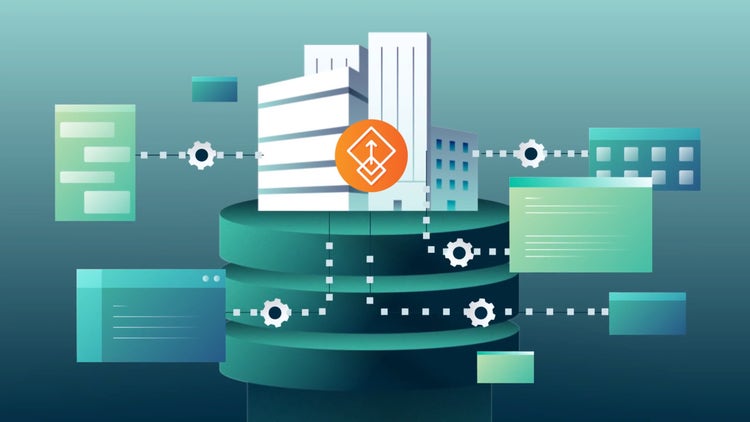
Zero Downtime Starts with Real-Time Resilience.
Protect the full application stack, including infrastructure, data services, and configurations for end-to-end resilience.

Eliminate Downtime
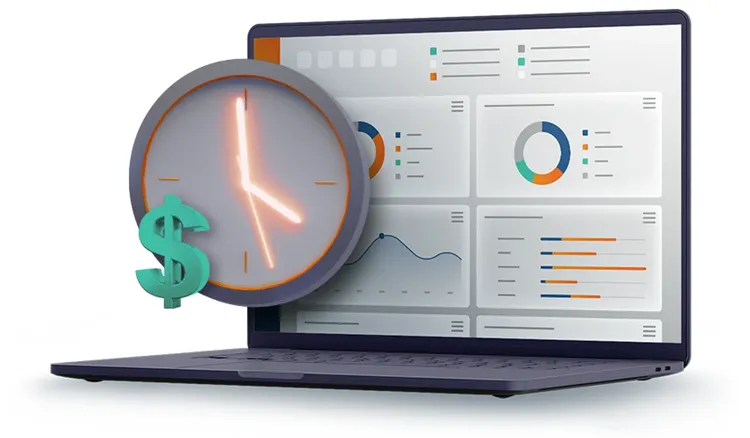
Slash downtime events from 4 hours to 5 minutes – a 98% reduction.
Simplify Complexity
Full tier context for faster triage, saves 320,000 IT hours yearly.
Actively Protect
Encrypt production data, block unauthorized access, and prevent exfiltration attempts.
arrow: Immutable checkpoints from primary data for tamper proof, rapid, real-time protection.
arrow: Execute high availability and disaster recovery scenarios with confidence.
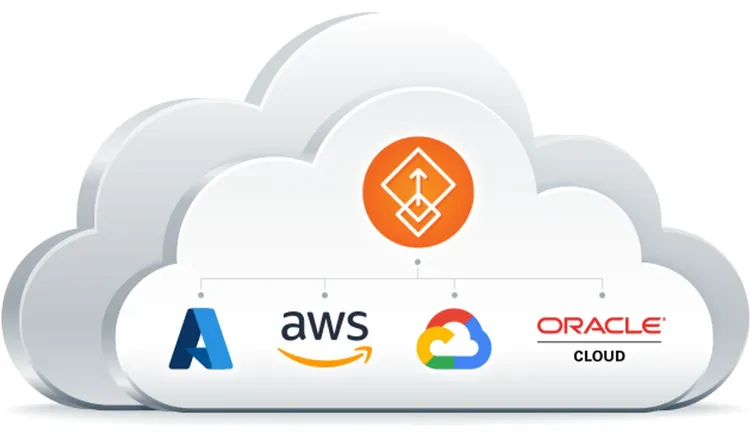
arrow: Orchestrate mission-critical services across all physical, virtual, cloud, and on-premises environments.
arrow: Detect deviations in data, performance, or user activity across your entire hybrid environment — instantly.
arrow: Correlate what matters. AI models analyze application, storage, and workload patterns together to distinguish real risk from normal activity.
arrow: Automate intelligent responses. Trigger pre-defined recovery workflows or containment actions the moment a true anomaly is confirmed.
Analyst Reports
Bancolombia logo
“The moment something fails — any specific thing — we will be able to provide the same service in a matter of minutes.”
Juan David Giraldo Jaramillo
-
Leader, IT Continuity
What's New
InfoScale 9.0
Learn about the newest features and capabilities.

Real-Time Data Defense
Protect your production data where it lives with encryption-at-rest, application-consistent snapshots, and built-in ransomware defense — without impacting performance.
Operational Detection & Response
Identify issues early, isolate threats, and automate clean recoveries without human guesswork.
Application-Aware Cyber Recovery
Move beyond backup recovery. Restore full applications—data, configuration, services—in a single click.
Unified Resilience Across Hybrid and Cloud
Deliver unparalleled availability for apps that span data centers, clouds, and the edge.
arrow: Eliminate unplanned downtime with platform-agnostic disaster recovery.
arrow: Simplify operations with increased automation and visibility to application availability.
arrow: Protect your applications against unforeseen events and disaster scenarios.
arrow: Provide resiliency with automated or manual disaster recovery, and fast failover for node failures.
arrow: Gain mobility with the ability to easily migrate persistent storage volumes across hybrid cloud environments.
arrow: Increase efficiency by leveraging existing server and SAN storage to create multiple classes of persistent storage volumes.
Read Our Data Resilience Blogs